


kg77 | The Dynamic World of Multiplayer Games: A Revolution in Digital Interaction
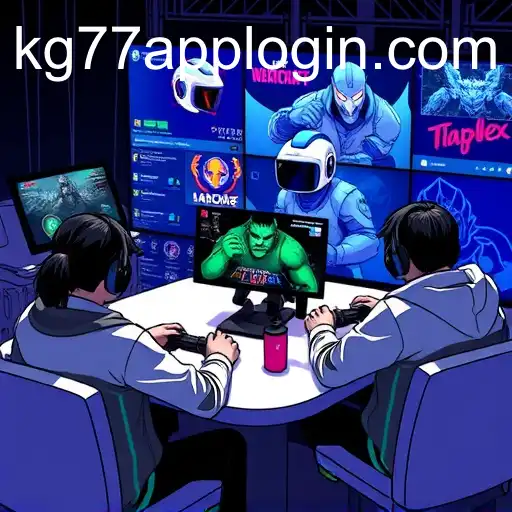
In the ever-evolving realm of digital entertainment, multiplayer games have emerged as a revolutionary force, redefining how individuals interact, collaborate, and compete with one another. The appeal of multiplayer games lies in their ability to connect gamers from all corners of the globe, facilitating cooperative play and competitive arenas that test the strategic prowess and reflexes of players. With the keyword 'kg77' driving searches for multiplayer games, it suggests a niche trend or specific criterion sparking gamer interest on various gaming platforms.
A multiplayer game transforms the gaming experience from a solitary activity to a communal one, fostering friendships and rivalries that transcend physical boundaries. The dynamic of engaging with real people injects unprecedented unpredictability and a breadth of choice, allowing players to design their unique gaming journey. The essence of multiplayer games is the demand for adaptability; gamers must adjust their strategies in real-time to counteract opponents or collaborate efficiently with teammates.
The design of multiplayer games has branched out vastly, accommodating a myriad of interests and gameplay styles. From the epic battles in MMO (Massively Multiplayer Online) games to the quick-paced intensity of FPS (First-Person Shooters) and the creativity-driven environment of sandbox games, the diversity ensures that there is something for everyone. Multiplayer modes become an extension of the game world, offering missions and challenges that often require tight-knit team play and communication.
Gaming platforms have leveraged multiplayer functionalities to create engaging ecosystems where players are not simply consumers of content but active participants shaping the virtual landscape. Competitive multiplayer games have also birthed esports, where professional players and teams vie for prestige and lucrative prizes, mimicking the structure of traditional sports but on a digital field.
One cannot discuss multiplayer games without acknowledging the technological advancements that have facilitated their rise. The advent of high-speed internet, cloud computing, and cross-platform gaming has opened up new paths for developers and players alike. These technologies eliminate barriers, allowing seamless gaming experiences regardless of geographic location or device.
Despite the immense popularity and advancement of multiplayer games, they are not without challenges. Issues such as latency, server downtimes, and toxic behavior among players often plague the experience. However, continuous advancements in technology and renewed focus on community guidelines have been instrumental in tackling these issues effectively.
Multiplayer games not only offer a diverse range of experiences and opportunities for interaction but also provide valuable learning environments where players enhance skills like strategic thinking, resource management, and collaboration. As the digital world progresses, the importance of multiplayer games and their impact on social dynamics and cultural narratives will undoubtedly continue to grow, inviting more participants into their ever-expanding universe.
